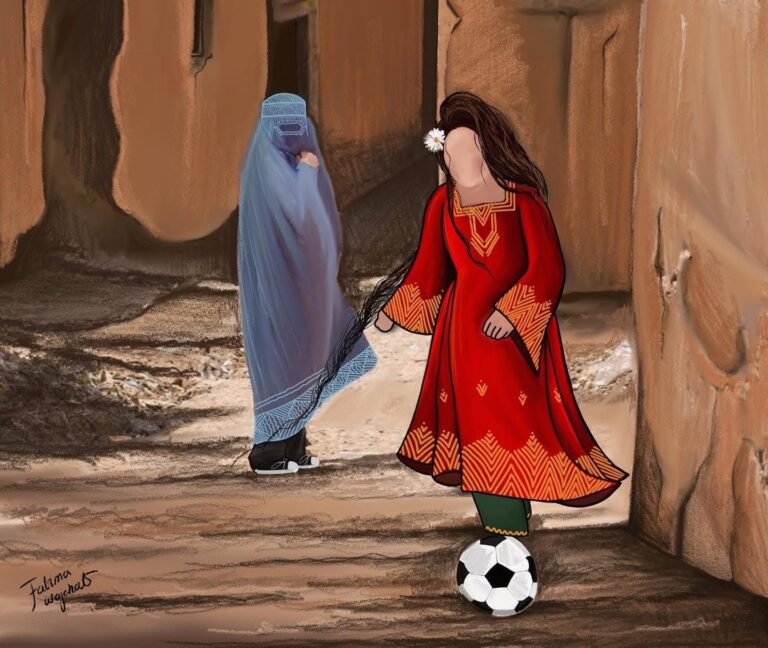
Art by Fatima Wojohat

  1. The Dreamer Collection 1

2. The Dreamer Collection 2
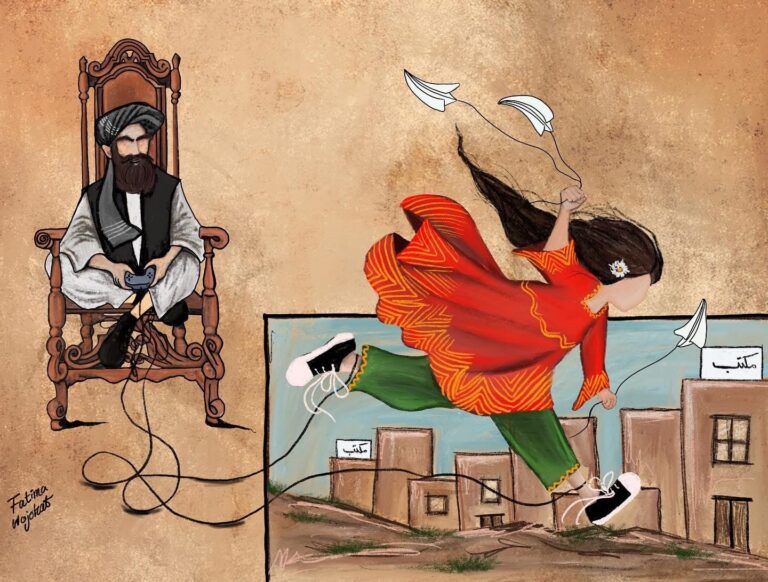
3. Lost Behind Border, Silenced by Force
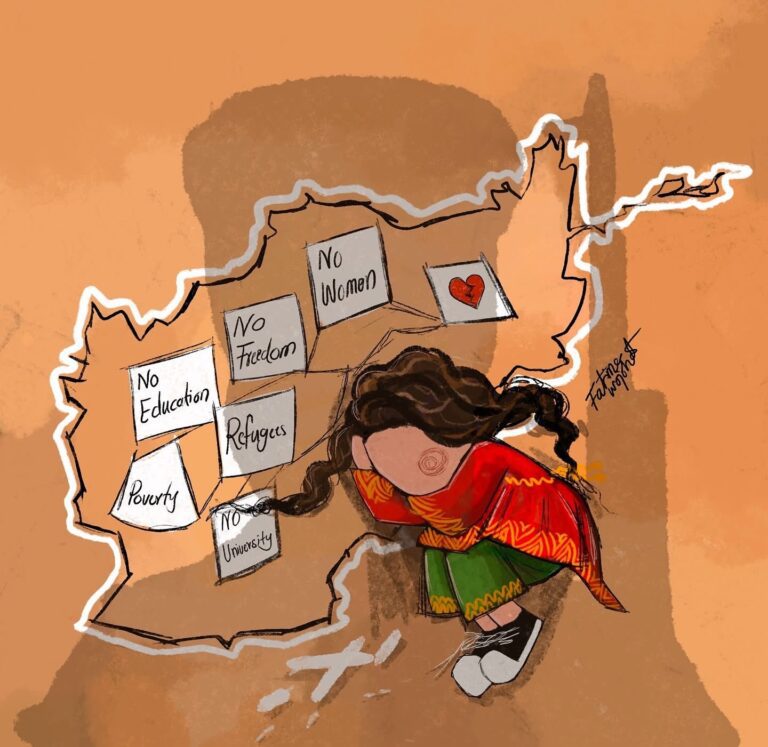
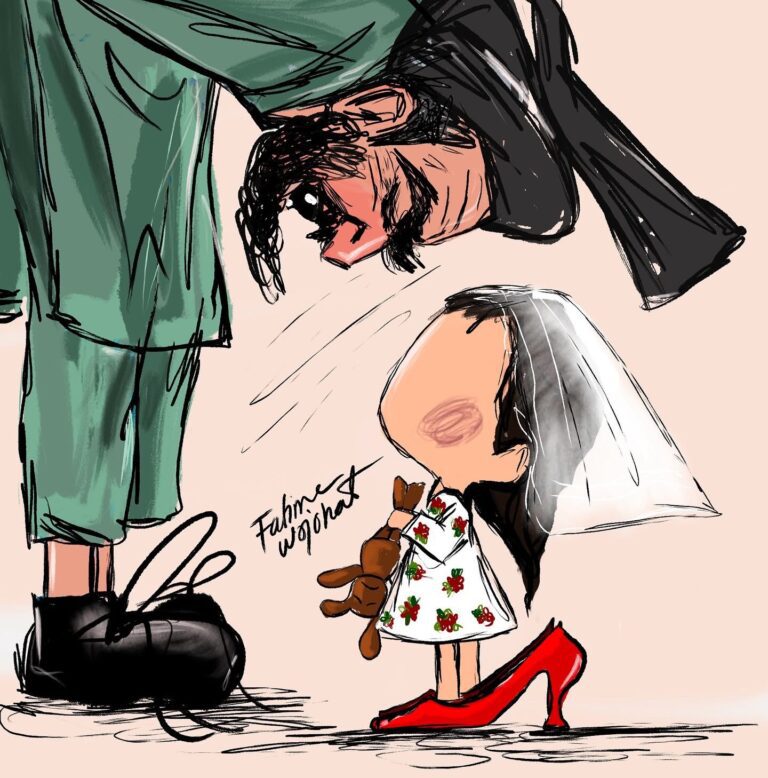
4. Sold Before Sunrise
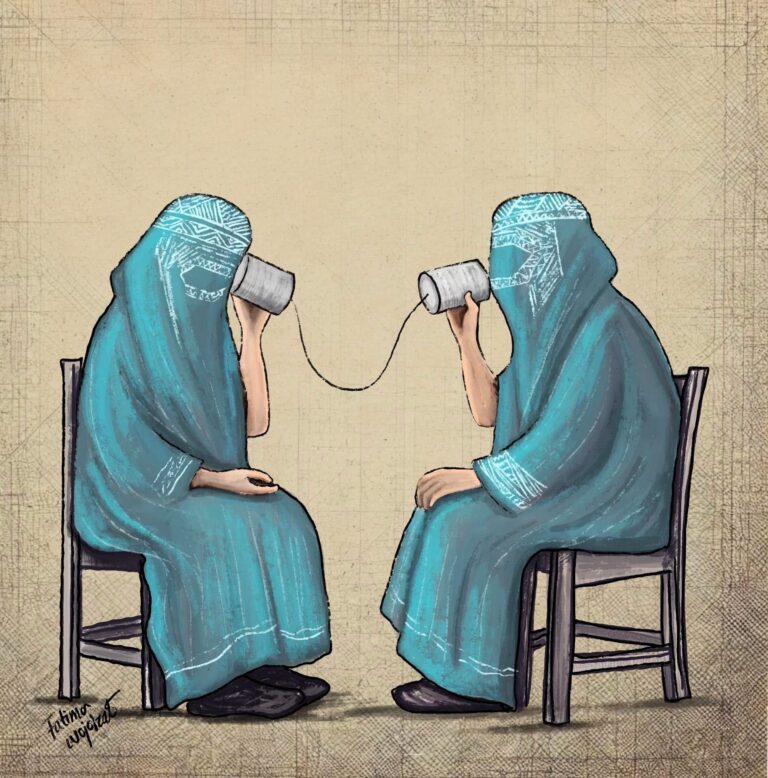
5. Can You Hear Me
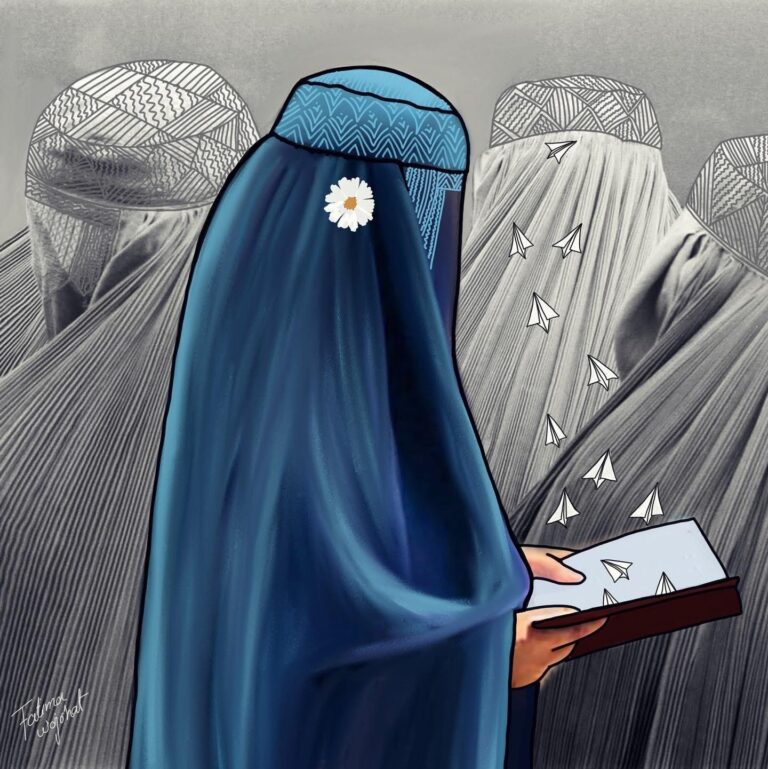
6. The Dreamer
7. Playing Weapon
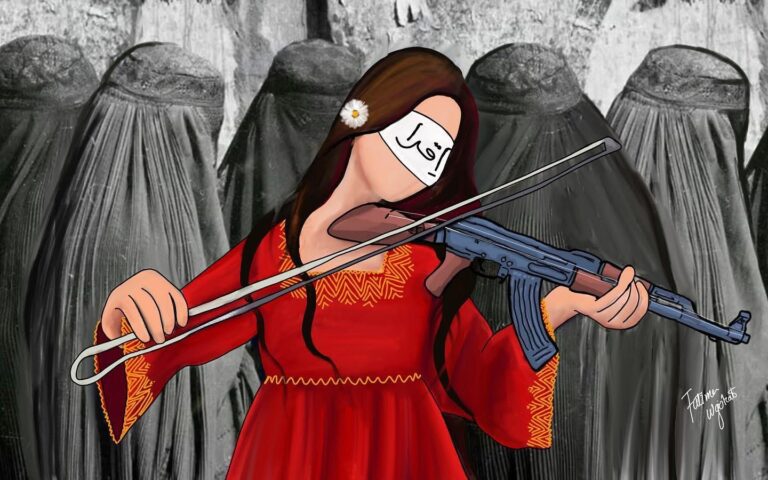
Fatima Wojohat is a 23 year old Afghan cartoonist, artist and activist living in exile in the US since the Taliban takeover. She is also the First Afghan Female chalk artist, and uses her chalk and digital art to raise awareness about human rights, especially for Afghan women. Growing up in Kabul, Fatima had more freedom than other young girls may have had. As a child, her mother dressed her as a boy, giving her the opportunity to ride a bike and play freely.  Fatima’s art reflects the struggles of her people under oppression, blending resistance, storytelling, and hope into bold visuals that speak louder than words.
You May Also Like
  • An expansive ecolinguistic journey – Shabnam Mirchandani reviews Geetha Ravichandran’s book of poems

    the spell of the rain tree is an aural hike into rhizomatic trails brimming

  • Growing a Callus By Sonia Dogra

    Three decades later we still hold hands My dermatitis infected fingers entwined

  • Dibyajyoti Sarma’s translation of Five Novellas About Women review by Vineetha Mekkoth

    The repertoire of the iconic Assamese writer, Indira Goswami or Mamoni Baideo

Subscribe to our newsletter To Recieve Updates

    The Latest
    • Matchbox by Usawa October‘25 Issue

      This edition of Matchbox by Usawa explores the patterns, customs, and structures

    • The Intimate Affair Of Mortality And Disgust

      A haunting meditation on death’s intimacy, despair, and allure

    • The Room Of A Parallel World

      Sohini Sen’s The Dandelions Have It blends nature, mind, and oneness

    • The Book of Death

      A child’s surreal grief: shame, scream, and haunted theatrical silence

    You May Also Like
    • Three Poems By Ko Ko Thett

      Underappreciated by those to whom all herbs, plants, roots and tubers

    • This Kind of Child By Srilata

      Introduction Towards an Understanding of the ‘Disability’ Story