Perhaps no other Urdu poet has written as much on food as Nazeer Akbarabadi, who we have encountered many times in these pages. In his vast and varied ouvre there are poems entitled ‘Agre ki Kakdi’ (The Cucumbers of Agra which he famously likened to Laila’s ribs!) ‘Tarbuz’ (Watermelon), ‘Kharbuze’ (Melons), ‘Santara’ (Orange), ‘Narangi’ (Chinese Orange), ‘Jalebiyan’ (the swiggly, doodle-like syrupy sweets) but possibly the most recited are these lines on roti (flat bread) from ‘Rotinama’:
Jab aadmi ke peit mein aati hain rotiyaan Phooli
nahin badan mein samaati hain rotiyaan
When the rotis enter a man’s stomach
They can barely suppress their gladness
Like Nazeer others have talked of seasonal foods, especially fruits. And rightly so. In a country with three well-demarcated seasons—winter, summer, rains—there are distinct foods that have been traditionally enjoyed according to the changing seasons. Of these, the king of summer fruits, mangoes, have received their fair share of attention from Urdu poets. LikeGhalib, Akbar Allahabadi had no qualms about asking his friends to send him mangoes from their orchards: ‘Iss fasl mein jo bhejiye bas aam bhejiye’ (The one thing you should send from this harvest are mangoes). Shaheen Iqbal Asar writes a qasida (panegyric) in praise of mangoes ending thus:
Ik faqat main hii nahin shaida Asar Shaida
hai aalam ka aalam aam ka
I am not the only one in love with mangoes
The entire universe is besotted with mangoes
Bashir Badr uses food as a metaphor for fruition, for reward, as in this sher:
Kuchh phal zaroor aainge roti ke perh mein Jis
din mira mutaalba manzoor ho gaya
Some fruits will surely appear on the tree of roti On
the day when my claims are accepted
As does Rahat Indori here:
Phal to sab mere darakhton ke pakey hain lekin Itni
kamzor hain shaakhein ki hilaa bhi na sakoon
All the fruits on my trees have ripened
But the branches are so weak I can’t even shake them
This heart-felt prayer by Dilawar Figar acquires a new resonance now that meat has become so ‘dear’ for reasons of both politics and the pocket:
Ya rab mire naseeb mein akl-e-halaal ho
Khaane ko qorma ho khilaane ko daal ho
Dear Lord, let there be halal food for me Enough
qorma to eat, and daal to feed others
How camouflage—culinary or otherwise—doesn’t always work is evident from this verse by Shauq Bahraichi:
Rahzan libaas-e-rahbari mein na chhup saka Aalu
ne laakh chaha par ghuiyaan na ho saka
The highway robber could not hide in the guise of a guide Despite
all efforts the potato couldn’t turn into colocasia
Then there are the foods associated with festivals especially the kabaab-sevaiyan-biryani combination that is almost synonymous with the two Eids. Here is Murtaza Sahil Taslimi describing the manzar (scenario) in most Muslim households on Eid:
Theen sevaiyan qorma sheer aur biryani kabaab Hum utthe
khush-zaaeqa khaanon se ho kar faizyaab
There was sevaiyan, qorma, sheer, kabaab and biryani We
rose blessed from these delicious-tasting spreads
On a grimmer note, there are the foods that are offered to the poor, the neighbours and the extended family while offering fateha (funerary prayer) for the dead as described in this sher by the acerbic Akbar Allahabadi:
Bataauun aap ko marne ke baad kya hogaa
Pulao khaaenge ahbaab fateha hoga
Shall I tell you what will happen after you are dead?
Your friends will eat pulao after the fateha has been recited
While the food purists debate over the relative merits of a pulao versus biryani, the poet talks of both. Here is Dilawar Figaar talking of the pulao that will be served in a waleeme ki daawat (wedding reception):
Uss shokh ke waleeme mein khaa kar chikan pulao
Kankii ke chaawalon ka mazaa yaad aa gayaa
Eating chicken pulao at that lovely lady’s wedding reception I
was reminded of the delicious taste of broken rice
The same Dilawar Figar speaks of the new-fangled trend of mini-mushairas in people’s homes where poets are invited to recite their poetry followed by a lavish repast:
Qorma istu pasanda, kofta, shaami kabab
Jaane kya kya kha gaya yeh shair-e-maeda-haraab
Qorma, stew, pasanda, kofta, shaami kabab
How much was eaten by this poet with bad digestion
There is also ample mention of the conjoined twins, sharaab- kabaab, in a great deal of Urdu poetry. Here is no less a person that Ibrahim Zauq, the last poet laureate of Mughal Delhi and ustaad (teacher) to the last Mughal emperor Bahadurshah Zafar, declaring:
Waiiza chhorh zikr-e-nemat-e-khuld Kah sharaab-o-kabaab ki baatein
O Preacher stop these descriptions of the gifts from heaven Let us talk instead of sharaab and kabaab
Every now and then the kabaab is used as a metaphor for burning with envy or sorrow as in this sher by Mir Taqi Mir:
Aatish-e-gham mein dil bhunaa shaayad Deir se buu kabaab ki sii hai
The heart was roasted in the fire of sorrow For long one can smell a kabaaab
Or this by Abdul Hamid Adam:
Kyaa zaruurat hai bahs karne kii Kyuun kaleja kabaab karte ho
What’s the need to argue?
Why turn your heart into a kabaab?
And this by Ameer Minai:
Kabaab-e-seekh hain hum karwatein har-suu badalte hain Jal uthtaa hai jo ye pahluu to woh pahluu badalte hain
I am like a seekh kabaab turning this side and that When one side begins to burn I turn the other side
In a similar vein, sherbet is often used as a metaphor as in this sher by Yagana Changezi:
Sherbat ka ghoont jaan ke peetaa hoon khoon-e-dil Gham khaate khaate munh kaa maza tak bigarh gayaa
Knowingly I drink my heart’s blood as though it is sherbat The taste in my mouth has been ruined by all my sorrows
That food is inextricably intertwined with nostalgia and, by extension with one’s warmest happiest memories is best illustrated by this sher by Nida Fazli redolent of a kitchen of yore with its everyday implements that would be unheard of by young people today:
Besan ki saundhi roti par khatti chatni jaisi maa
Yaad aati hai chaukaa baasan chimtaa phukni jaisi maa
Mother who was like the tart chutney on a chickpea flour roti
I remember her who was like the hearth, basin, tong, blowpipe
Excerpted with permission from Love in the Time of Hate by Rakhshanda Jalil published by S&S India, 2024.
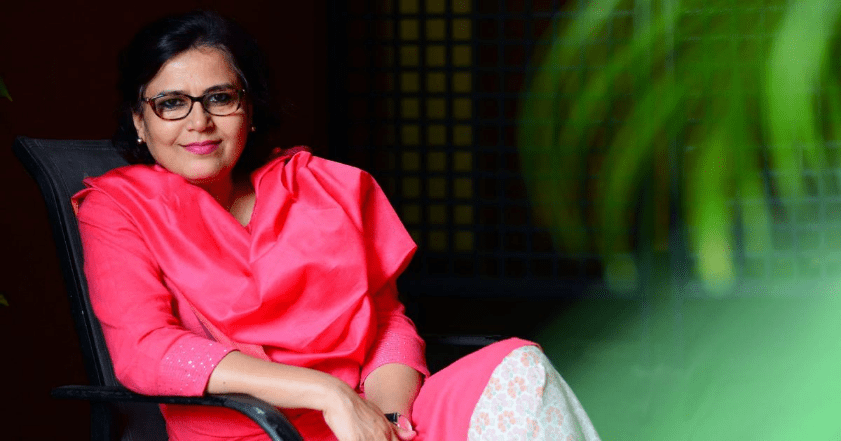
Dr Rakhshanda Jalil is a multi-award-winning translator, writer, and literary historian. She has published over 25 books and written over 50 academic papers and essays. Some of her books include: Liking Progress, Loving Change: A Literary History of the Progressive Writers Movement in Urdu (OUP, 2014); a biography of Urdu feminist writer Dr Rashid Jahan: A Rebel and her Cause (Women Unlimited, 2014); a translation of The Sea Lies Ahead, Intizar Husain’s seminal novel on Karachi (Harper Collins, 2015) and Krishan Chandar’s partition novel Ghaddar (Westland, 2017), among others. She runs an organization called Hindustani Awaaz, devoted to the popularization of Hindi-Urdu literature and culture.
Subscribe to our newsletter To Recieve Updates
Join our newsletter to receive updates